Projects (newest on top)

SAFETI: Strategic Analysis for Fine-granular Injury and Fatality PrEvenTion Insight
SAFETI is the first Mason-DOLI Innovation Lab initiative that turns more than 15 years of detailed Virginia workplace-accident records into forward-looking, preventive insights. Using predictive models, the computational approach estimates the likelihood of a fatality occurring within a specific time...
Funding: Virginia Department of Labor and Industry (DOLI); AI-in-Gov council
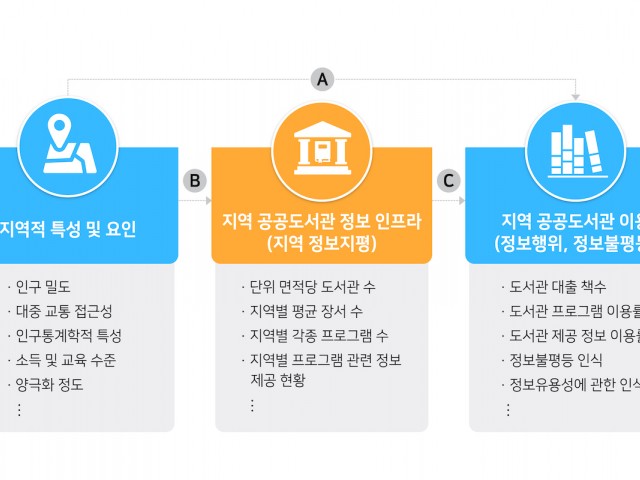
Visualizing Local Information Inequality in South Korea: An AI-Based Approach Using Public Library Data
The goal is to understand information inequality across geographical regions in South Korea and visualize them using an AI-backed visualization tool. A three-year plan revolves around developing an intuitive platform for visualizing disparities, constructing metrics for assessing informational inequality based...
Funding: National Research Foundation of Korea (NRF), Award #2023S1A5A2A21087977
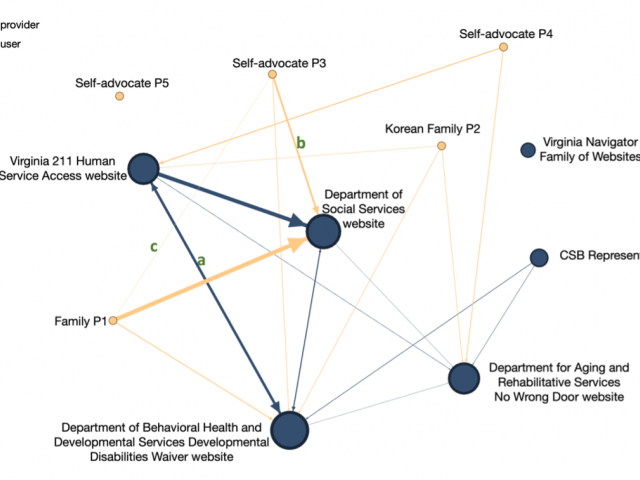
Mapping Information Ecology: Understanding the Fragmentation of Disability Service Information
Research aiming to provide a comprehensive understanding of the information ecology of disability service information by conducting in-depth research on information sources, key organizations, and their users. Focuses on Medicaid services for people with developmental disabilities in Virginia.
Funding: Virginia Board for People with Disabilities (VBPD) and U.S. Department of Health and Human Services (DHHS), Award #GMU-3-2023
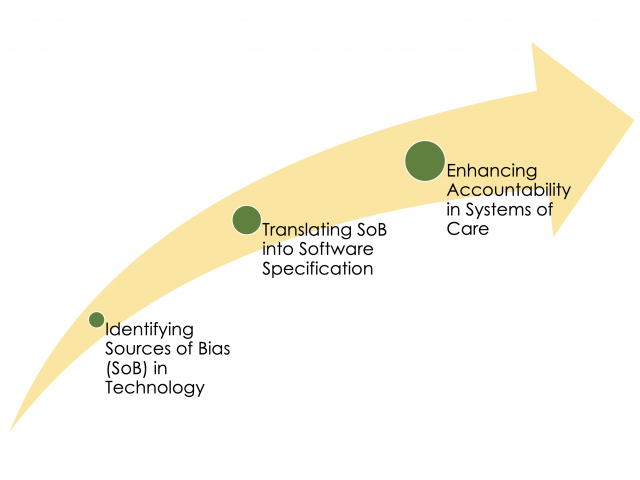
Exploring How Convergence Methods Foster Shared Accountability to Reveal, Map, and Mitigate the Sources and Dynamics of Bias across Social Service Provisioning Systems
Research addressing how civic participation may be better supported and bias reduced in the development and integration of systems of care for communities. Evaluates the implementation of a system of care in a real-world setting.
Funding: NSF

Understanding the Present and Designing the Future of Risk Prediction IT in Fire Departments
Research to develop and design new data-driven risk prediction principles and management (DDRPM) tools that anticipate and manage a variety of community risks, which fire departments are increasingly required to respond to, including medical, fire, and safety emergencies.
Funding: NSF
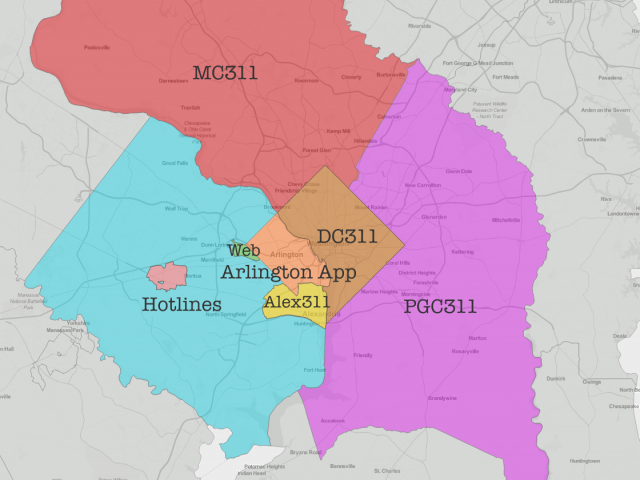
A Visualization Tool and Assessment Framework for Civic Technology Use in the DMV Area: The Case of 311 Systems During the COVID-19 Outbreak
Research analyzing 311 systems from a socio-technical perspective, focusing on how residents re-appropriate civic technology during the COVID-19 pandemic. Aims to understand the tension between managerial efficiency and citizen empowerment.
Funding: NSF
KNEXT: Data Analytics to Support Innovation Communities
A three-year collaborative project between Kent State University and University of Maryland, partnering with local public libraries, small business development centers, economic development organizations, and community advocacy groups to bring advanced data analytics and business intelligence services to public libraries....
Funding: IMLS National Leadership Grants for National Digital Platform, #LG-71-17-0124-17
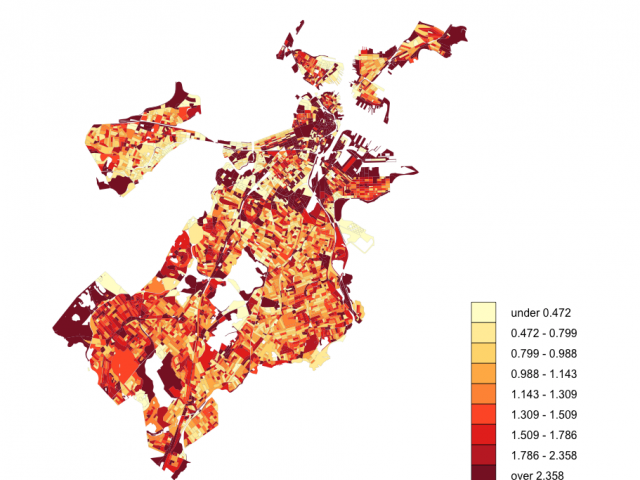
Making Information Deserts Visible: Computational Models, Disparities in Civic Technology Use, and Urban Decision Making
Research developing a foundational tool for understanding how civic technologies are used and how information inequalities manifest in a city. Analyzes and visualizes data from Boston's 311 system using computational and qualitative approaches.
Funding: NSF
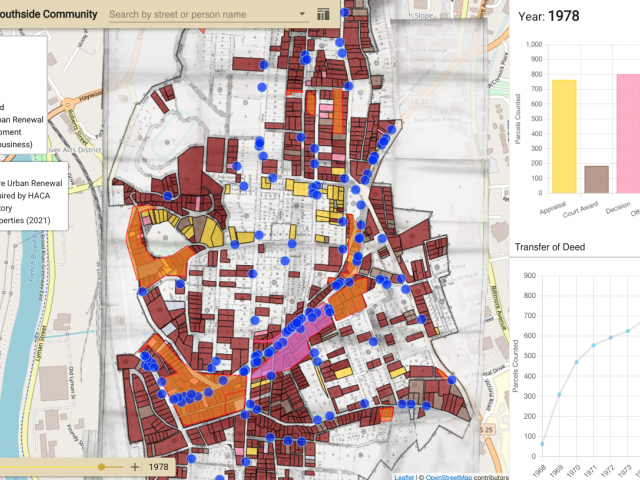
Remapping Southside Community: Storytelling Urban Renewal Impact
Project building a map-based platform presenting historical documents of the nationwide urban renewal project in the 1960s-70s, providing easy-to-use interfaces for former residents, archivists, researchers, and citizens.
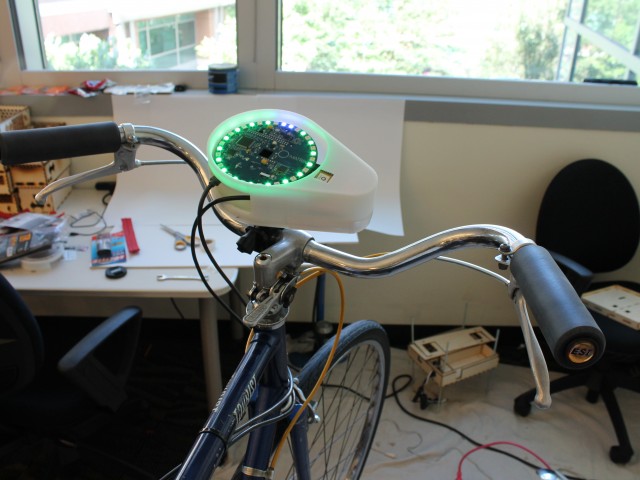
Cycle Atlanta: Seeing Like a Bike
Creating sensor systems that allow a bike to 'see' its environment and collect data as a participatory effort to help the City of Atlanta make informed decisions about biking infrastructures. A sensor box equipped with sonars, lidars, PM sensors, gas...
Funding: Data Science for Social Good Fellowship
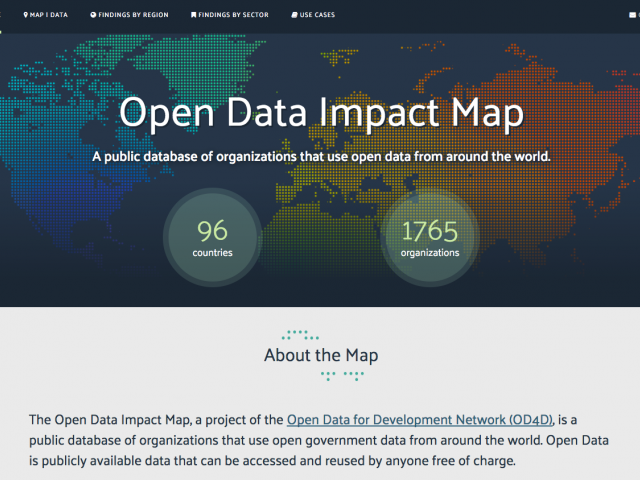
Open Data Impact Map
A searchable, centralized database of open data use cases from around the world, developed at the Center for Open Data Enterprise. The map shows the distribution of organizations worldwide that make use of open data.
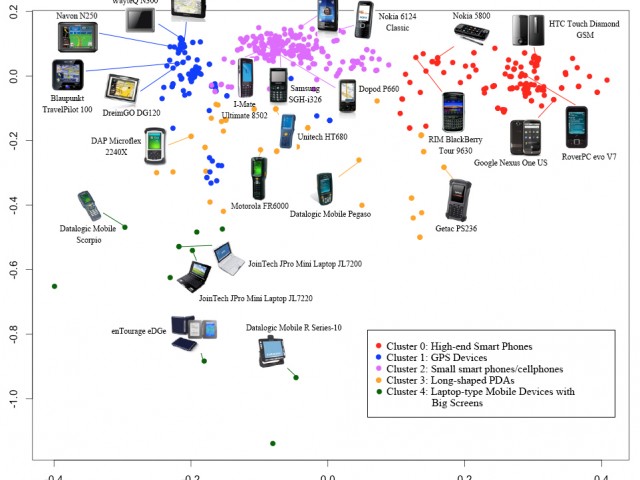
Virtual Observatory of Innovation Communities and Ecosystems (VOICE)
Building the Virtual Observatory of Innovation Communities and Ecosystems (VOICE) that collects, connects, and curates large datasets from multiple sources on people, groups, and organizations engaging with multiple innovations.
Funding: NSF
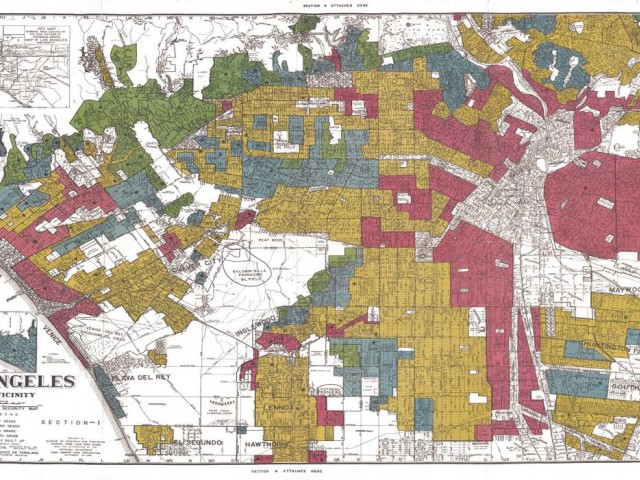
Mapping Inequality
Digitizing portions of National Archives RG195: General Records of the Home Owners' Loan Corporation (HOLC), including surveys, memorandums, and maps of American neighborhoods in the 1930s. Working to curate the collection and extract text from 75-year-old records.
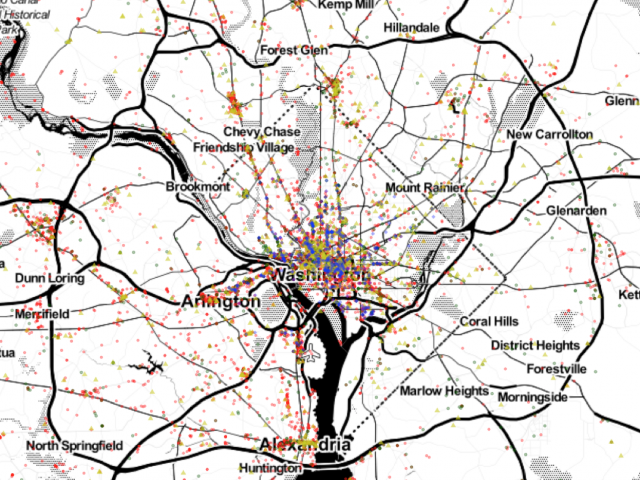
On Information Deserts
Proposes the concept of local information landscapes (LIL) to provide an ontological understanding of how community-level information looks and conceptualizes the material pre-condition of information inequality in a local community as information deserts.

Drupal Course Management Module for UMD Websites
Designed to provide most up-to-date course information to University of Maryland College of Arts and Humanities (ARHU) websites. A Drupal module was developed to migrate the university's course catalogs into Drupal databases.
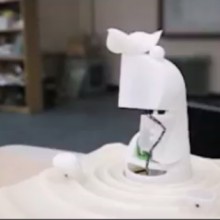
Human-Robot Interaction via Sound
A robot-human interaction prototype developed at Torooc Inc., a VC-funded start-up. Won first-place at the 2012 Start-up Competition by Seoul National University R&DB Foundation. Implemented the Time-Difference of Arrival (TDOA) algorithm for sound source localization.
Funding: VC-funded start-up (Torooc Inc.)
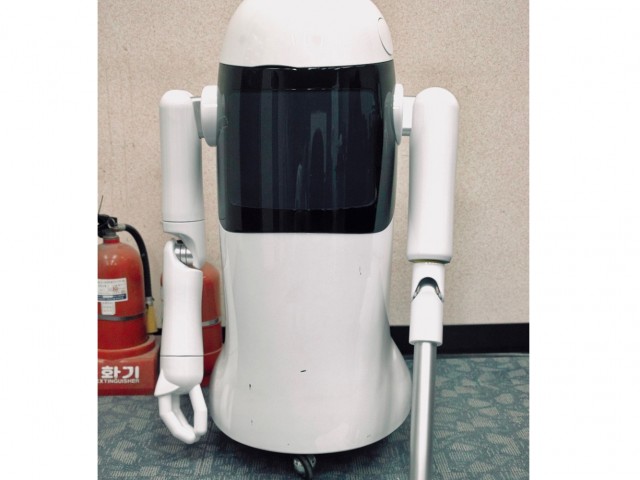
Designing a Future Home Service Robot
In 2010, a team of graduate students from Philosophy, Design, Electrical Engineering, and Mechanical Engineering designed a home service robot of the future using the Taguchi method for robust hardware design.
Funding: Seoul National University Brain Fusion Research Fund

Development of a VoIP Testing Program
Skype's SILK codec was tested as an exploratory project to see if there was an opportunity to integrate real-time audio communication with smart TVs. Conducted as an internship project in LG Electronics' LCD TV Research Lab in 2010.
Funding: LG Electronics (Internship)
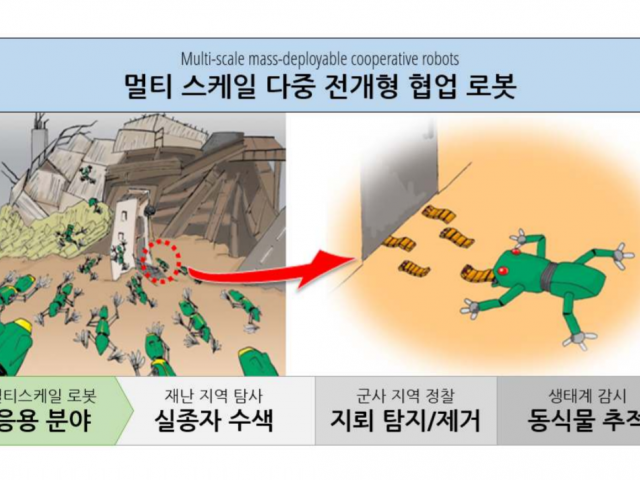
Fundamental Technologies for the Multi-Scale Mass-Deployable Cooperative Robots
A next-generation robotics paradigm where a large number of robots that vary in size cooperate in a hierarchical fashion to collect information in various environments. Master's thesis project.
Funding: Basic Research Laboratory (BRL) Grant, Ministry of Education, Science, and Technology, South Korea
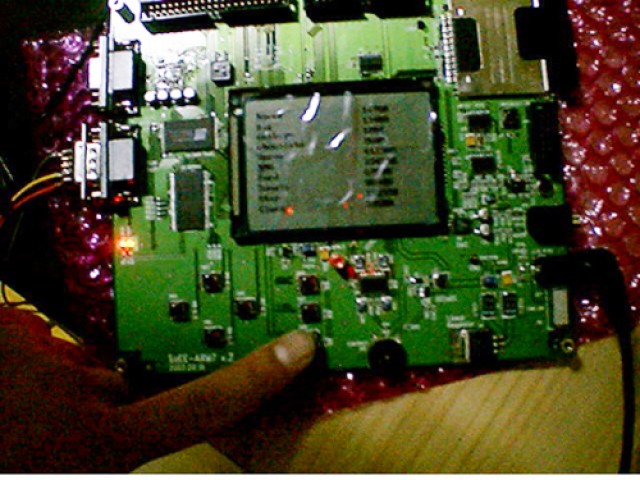
Wireless Price Display System
A wireless system that substitutes price tags with electrical displays in grocery stores. The base station manages a product database and sends price information to receiver units via RF. Led to founding student-venture company U-Mind Inc. in 2004.